
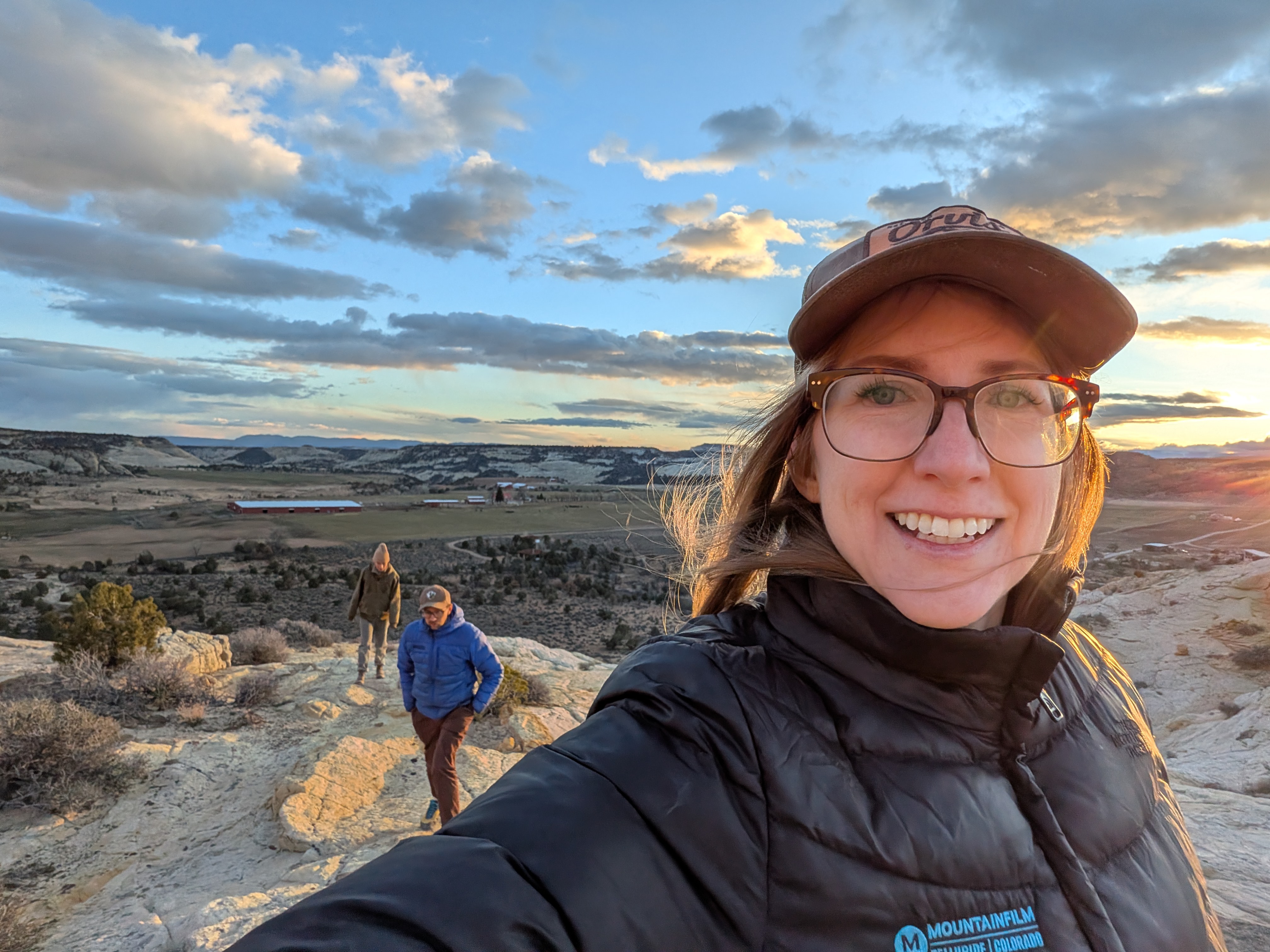
Betsy Mortensen, Sustain Music and Nature
EcoVox: Hi Betsy tell us about the work you're doing with Sustain please….
I am co-founder of a charity called Sustain Music and Nature. We try to harness the emotional hook and power of music along with the cultural capital of musicians to generate new fans for America's public lands, that are always under threat from political powers trying to privatize them and extractive use. Our programs harness that power of music to help expose the American public to these places that need their protection.
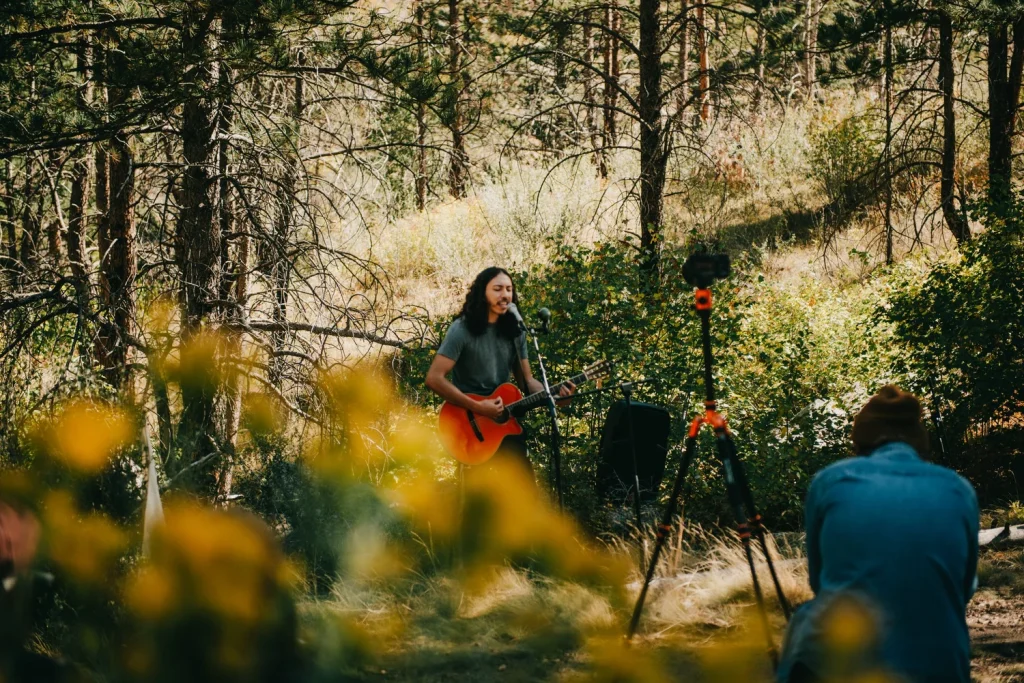
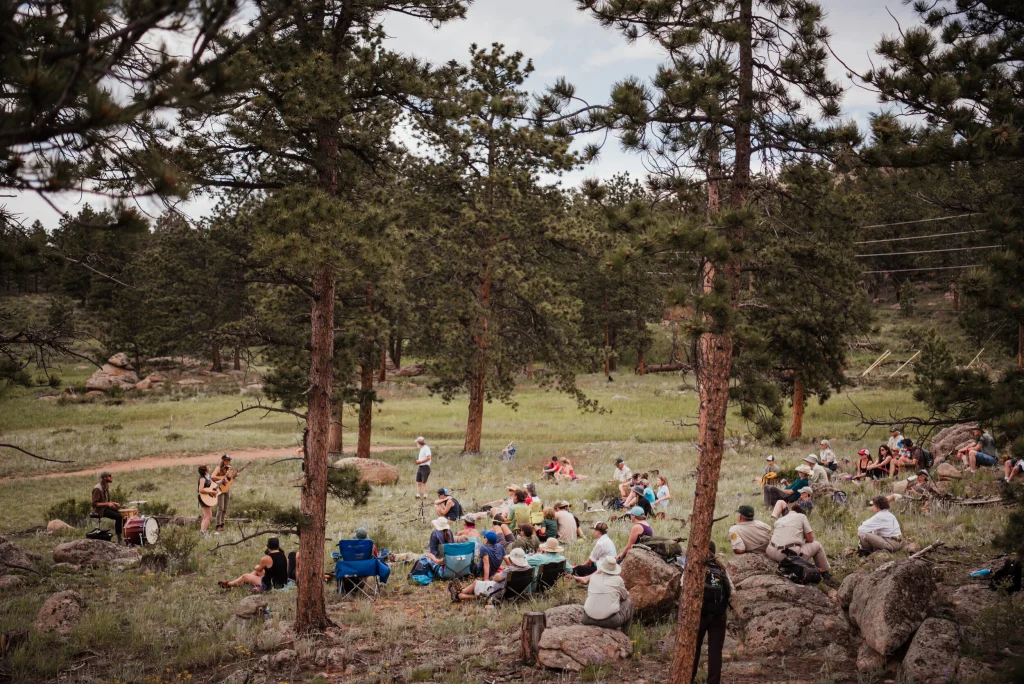
Our Songscapes are songwriting retreats for major musicians. They spend a week in a very remote place, write the song inspired by it, shoot a music video and then we get that story out. We're that first step for someone who maybe does not care about parks, to think “oh, actually, that is really cool. I don't want there to be a giant border wall built right through a canyon or for it to be damaged by fracking”.
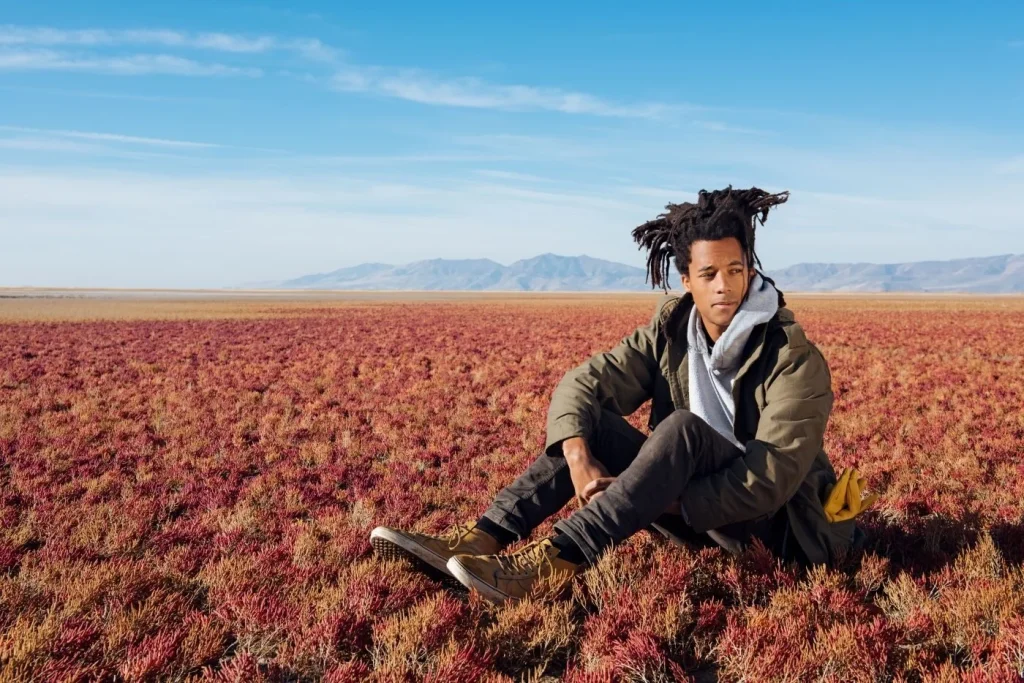
Conner Youngblood at Bear River Migratory Bird Refuge, Utah
EcoVox: I can ask you this because of the work you do. What's going on at your eco disco office party?
Sustain Music and Nature has led to the creation of a bunch of songs that were inspired by America's national public lands and parks and wildlife refuges. All those songs would be playing and we’d mix in some other tracks from the artists that we've worked with, like KT Tunstall
EcoVox: Okay, let's do some cultural questions. Anything you’ve seen or read recently that's got an interesting slant on environmental issue?
Tudor Monastery Farm, a British show where people try living like they did in the Tudor era. It's really interesting because thinking about the amount of labour that getting through the day required back then, if you had to take an entire week to do your laundry and burn 500 calories by beating clothes like with sticks, I don't think that you would be thinking, ah, you know what? I probably need need 30 pairs of jeans.
Also, Cultish: the Language of Fanaticism by Amanda Montell. It talks about how language is a tool that cults specifically use to get people to do what they want to do, and “cults” like SoulCycle, not necessarily like Jonestown!. It's really fascinating to look at psychology and who is more open to jumping on a cult bandwagon. It's not people who are below average intelligence. It's people who are too optimistic. I think there's some lessons from this book and what cults and cult leaders can do that could be used for the environmental movement.
EcoVox: To your point, climate deniers and the right wing are a lot better at selling optimism, whether it's lies or not. They're a lot better at proffering that vision of something positive. It's interesting that it's driven by optimism rather than any kind of desperation. I guess they've got a bit more iconography around the people on that side of the coin as well.
EcoVox: Times can feel tough and outlooks can feel grim. Is there something funny you've seen in your work or around the challenges you face which has made you laugh darkly about what's happening?
So with my job at University of Connecticut's Office of Sustainability, they organize a move out donation campaign. We've got 13,000 students moving out of the dormitories, so we coordinate a donation campaign. Students put the stuff that's still usable in a spot for local nonprofits and charities that can put those items to good use, but there's a lot of “wishful recycling”. Maybe somebody will want my used toothbrush and half used tube of toothpaste. I admire the spirit, but...
EcoVox: One of the things you talk about is this idea of the Meconomy. Is there a way in which the work Sustain does, helps save individuals or society save money or resources?
Looking at the zoomed out big picture, public lands provide incredible resources: protecting clean water, the filtration use of forests in a watershed, protection from hurricane damage and mental health support too. By keeping these resources public, it ensures that everybody has access to them and not just the highest bidder.
EcoVox: When we ask people about messages which convince them of sustainability credentials, it's very clear they want things which are tangible to them or, have the immediacy of where they live. Is there an educational dimension you have to get across around the value of what you do or the purpose of it?
I'd say 90% of the time when I give my little pitch of what Sustain Music and Nature is, it’s “making music a force for nature”. But then some of the time there's people asking “isn't the music going to disturb the birds?” or if we're going to be damaging resources in some way. Other people think it's frivolous: what is a song going to do? Or that no one pays attention to famous musicians, which is not true. The proxies that we've used are around viewership, comment feedback on social media and YouTube, but the stuff that you're doing to just get people to dip their toes in can be tricky to quantify.

EcoVox: I’m guessing that another big challenge is that you're dealing with parks and maybe the local proximity is not always there…
Our Trail Sessions are much more focused on local community. We found that about 70% of our participants have never visited the featured site before, even though 90% of them live within a half hour drive. Music is the thing that's getting you out to your own local backyard green spots.
EcoVox: A lot of people feel helpless in that individual actions don't mean anything. The very essence of what you do is all about immediacy and it's inherently communal
I think another great thing about music, especially the concert style, is that you have to be present for that. You're not just passively consuming Spotify while you're working or doing your day-to-day habit. You've made a conscious choice to be here in this place to listen to this music now. I think that extraction from your day to day is a good reset moment.
EcoVox: Some of the research we've done word suggests that “sustainability” is a dirty word, seen as elitist or expensive. Can you give us alternative word you prefer to use to sustainability?
I think that there's a way to link sustainability to positive masculinity: men protecting people that they care about, protecting their families from climate change. Thinking about my husband, he can go find parts and fix our old car so he can still drive our 2008 Prius on 300,000 miles, instead of buying a new car, you know, reducing your consumption. We need some influencers to paint this hot sustainability man image. I think there's potential there.
EcoVox: I was reading recently that there’s this long tradition of masculinity being associated with the outdoors, particularly in America with things like the West, frontiersmen, lumberjacks and cowboys, but that as we get more disconnected from the land that has been lost. How do we make climate action rebellious, cool and about, you know, sticking it to the man and beating the system?
Working with culture creators, especially with social media and their platforms being so huge and their influence so great, you can help them authentically create their own message and not one like, “Taylor Swift says, don't cut down trees”. I think that's got huge potential for action and it's always been that way, thinking about music here in the US during the Vietnam War era, when the power of youth musicians was creating cultural shifts. There's potential for that to happen again.
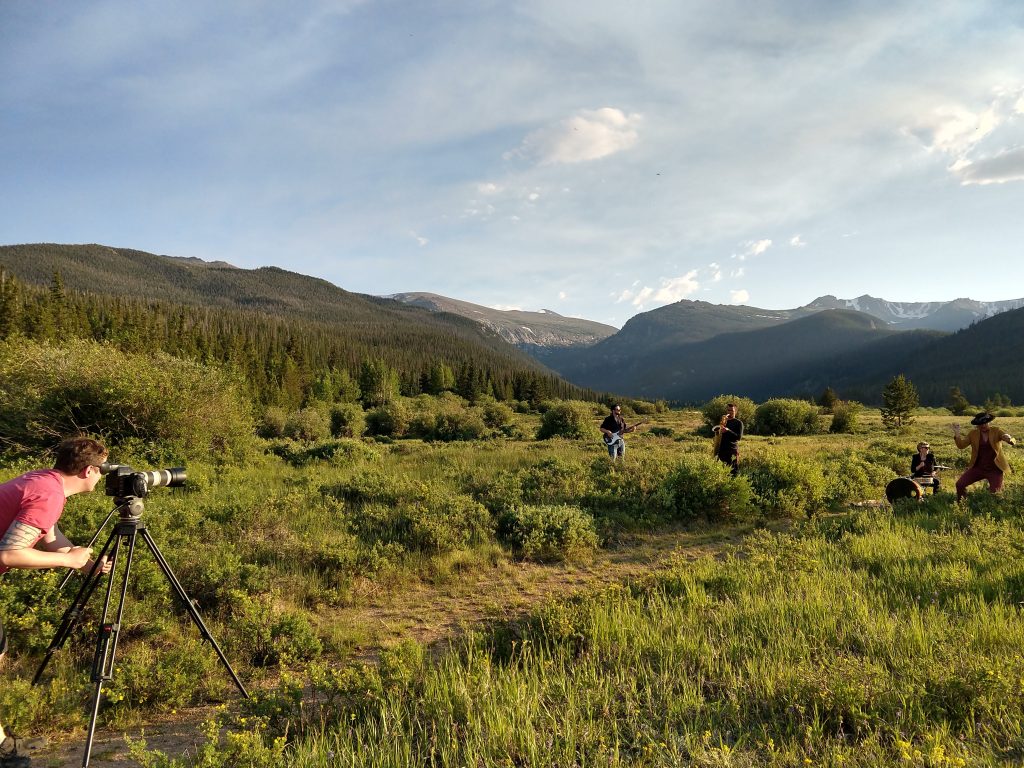
Filming The Burroughs for their Songscape at Roosevelt National Forest in Colorado.
EcoVox: I'm into a lot of music from that era, and it feels kind of quaint now, but amongst certain musicians like Bob Dylan or George Harrison, there was an aspiration around, “oh yeah, I've got all this money, now I'm going to play at being a farmer or a gardener and go back to nature”. Paul McCartney did that when he quit The Beatles. Final one: who or what does give you hope for the future?
I’ll bring it back to British TV shows and Clarkson's Farm. It gives me hope seeing someone who strikes me as politically conservative interacting with the land. Here's someone who you don't peg as an environmentalist, but because of his passion and interest in farming, he's becoming that way, but still approachable to the dudes who like cars and tractors. I think it’s really exciting to see sustainability spreading to the kind of an audience that otherwise isn't interested. So it gives me hope to know that sustainability can manifest for different audiences in different ways. It doesn't all need to be everyone buying used organic cotton clothing. There's just so many pathways to have sustainability be part of your life and whatever pathway it is works for me. And the more diversified those pathways can be, the better.
For more information on Sustain Music and Nature https://www.sustainmusicandnature.org/
If your company would like to be a ProVox interviewee please get in touch