
10. July 2026
Mark Downes, Green Eyed Monster Films
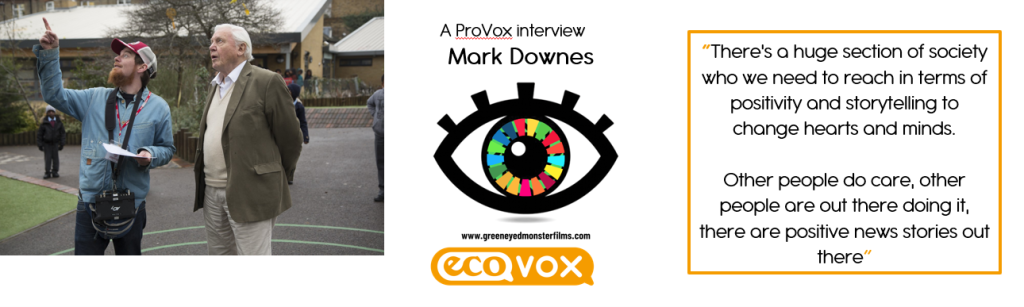
EcoVox: Hi Mark, can you please start by explaining who you are and what you do?
Mark: I’ve always been a filmmaker by trade. I drifted into advertising and stayed there far too long and then I had this wake-up call in Cannes at the industry's big shindig. Ban Ki Moon, the United Nations Secretary General, walked out onto the stage and I'm like, what the fuck is Ban Ki Moon doing at a marketing and advertising festival? He basically said, we are the first generation to be able to end world hunger, but we're the last generation to be able to do something about climate change and I'm here today to talk to you about becoming agents of change and to use your storytelling and communication skills to help spread some positivity and communicate the solutions.
It had quite a profound effect on me. I came back to London, quit my job and started a film company, Green Eyed Monster Films, that would do just that. I also started teaching at a place called AdGreen, which is kind of a sister organisation to BAFTA's Albert, which helps you lower your carbon emissions on a production and design the waste out. I went back to school, which is where our paths probably crossed at CISL and off the back of that, I was made head of sustainability at a nature documentary streaming platform called EcoFlix, which is a not for profit. That led me on to going into RE:TV, which is the content department for King Charles’ Sustainable Markets Initiative. They've made over 150 short form documentaries all about regenerative agriculture or energy or biomimicry and I made a host of films for them.
For the last six months, I've been working for the Earth Foundation, which runs the Earth Prize, which is a global environmental programme or competition for 13 to 19 year-olds. This year, we had over 6,000 entrants from 164 countries and 35 scholars get shortlisted and out of that, 7 regional winners and they share a cash prize of $100,000. It’s incredibly inspiring to be working with young people who are fearless and brave and clever and smart and are coming up with amazing solutions and breakthroughs.
Play the showreel of Green Eyed Monster Films
EcoVox: Can I ask if you've seen any good films lately? Anything with an interesting slant on environmental issues?
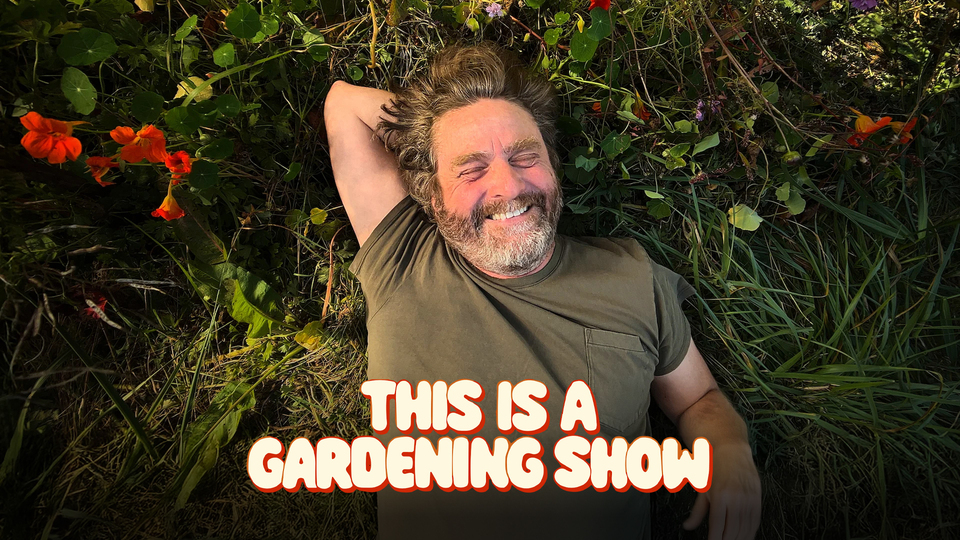
So, I did, there's a few actually! There's a guy I know called Orban Wallace who has released a feature-length documentary in cinemas this summer called Our Land and it raises some really important questions about nature in the UK: who owns the land, why can't we have access to it? Zach Galifiani, is a Hollywood actor and he's just done a show, called This is a Gardening Show on Netflix. He's decided that he doesn't have green fingers, but green thumbs and I love it. It's kind of environmentalism through a comedy lens. He's very funny. He asks stupid questions, but they're honest.
And the other film I want to mention, which I haven't seen, but I do want to go and see, is the National Emergency Briefing. You can pop in your postcode to see where there's a screening near you and it's being hosted by pensioners’ groups and churches, so the range of people picking up on it is very encouraging and I think their model of this kind of community event cinema is very, very clever. They could just put it up on YouTube, but there’s something about the coming together and the community and the localization of it. There is a campaign to have it aimed on TV and challenge all politicians to address these pressing concerns.
EcoVox: Anything you've been reading?
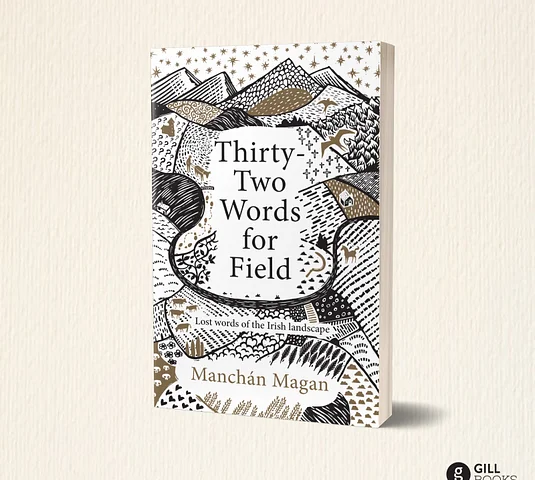
There are two books I want to mention. There’s a wonderful Irish poet, intellectual and broadcaster who sadly passed away last year, very young, and his name was Manchán Magan. He has a book called 32 Words for Field and it's about in losing our language we’re losing a deeper understanding of our natural world. The Irish language is really, really old and within that language, there was this almost indigenous kind of understanding of the landscape, and it's just beautifully written. I felt so kind of like decompressed when I was reading it. His whole thing is about rewilding the mind.
And then the other book I wanted to mention was How to Fall in Love with the Future, by Rob Hopkins, which is basically about time travelling in the sense that he runs these workshops where you can imagine yourself not in 2639 or something out of Blade Runner, but in five years’ time and 10 years’ time. You imagine what the world around you would be or could be. He was the founder of Transition Towns, starting with Totnes in Devon in the UK, starting to push solutions that already exist, community-led groups turning climate vulnerability into collective power. About the cascading benefits that happen if you just start to fix what's in front of you. Should I mention any fiction? There's a great Irish writer called Kevin Barry and he’s mind-bogglingly good.
EcoVox: And what about music? If you're running an eco disco, what's going on?
If you had to force me into playing some stuff, I love Earth percent, Brian Eno's charity. They recognise Nature as an artist. Historically, a lot of artists would have sampled wind, rain, rustling leaves and waves … so through Earth Percent, nature now gets a royalty kickback and they actively encourage artists to go out and do that. I think it's a really cool, clever mechanism for artists with platforms to get people excited and reconnect with our living world. And they've got a playlist on Spotify called Feat. Nature. I got really into Cosmos Sheldrake's track called Soil. It was on repeat for days.
EcoVox: You’ve talked about what you do to minimise the impact of production, but I'm interested in the content you do as well. How does its message help society?
A lot of the work I do, the briefs come into me, so I'm not really deciding what the film is about, but I do get to shape what that film is like. I challenge clients on who the audience is for this film. I'm always reminded of the gilets jaunes protest in France when Macron put up the price of diesel, and the people in the countryside rose up, with a message that “we are more concerned about the end of the month than we are about the end of the planet”. There's a huge section of society who we need to reach in terms of positivity and storytelling to change hearts and minds and make people understand the crisis. But there's a lot of people that they don't have the bandwidth for it; they don't have the resources to deal with it at the time. They're just literally trying to feed their kids and pay the rent. What we should be doing is remembering those people when are making our films.
EcoVox: What about you and your personal life? Anything you're doing that reduces your impact and reduces your spending?
For my mobile phone, I recently switched to a company called Ecotalk who are giving all their profits to biodiversity. I must have been with O2 for 20 years and they were trying desperately to keep me as my contract ended. They kept saying we’ll offer a lower price than what you're paying, and you can use what's left over to donate to the charity of your choice. I'm like, I think you're missing the point here! Also, if you switch to an ethical bank (statistically speaking, you're less likely to switch your bank than you are to get divorced!) it's 21 times more effective than stopping flying or going vegetarian, just by moving your money out of a fossil fuel fund. These little hacks are available to everyone and collectively they have are a very loud stick it to the man vibe.
EcoVox: Good art makes the world a better place. In what ways do you think the content you create might improve people's well-being or give them optimism?
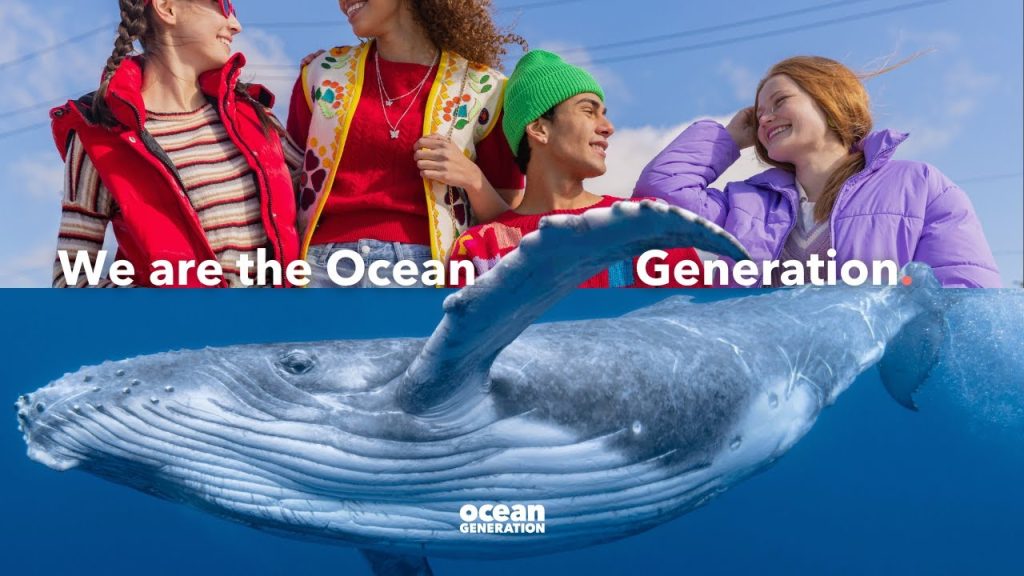
I did a series of films for Quorn, the food brand, a few years ago around the future of food and they didn't want to see it as an ad and, so we had some wonderful films around seaweed, a city farm and a refugee camp growing food out of old discarded mattresses. There's some good people at some brave brands who want to promote ideas about wellbeing, where does our food come from and understanding that the process and value that goes into that. The more we understand it, the more we care about it, and the more we're likely to act upon it. The three films I did with Ocean Generation with Sir David Attenborough were a career highlight for obvious reasons. They’re very much aimed at students to educate them about the importance of oceans and they've been seen by millions all over the planet.
EcoVox: A lot of what you do is educational. How do we do it without lecturing people? How do we do it about depressing people?
For some crazy reason, we've allowed the climate conversation to be hijacked as a political issue. How did that even happen? What we're fighting for here is cleaner water for everybody or cleaner air, regardless of your political persuasion. I think we need to figure out a way to not blow a gasket when we hear something ridiculous from a climate denier…you build an ally; you convince them of one small thing and then you build on that. Like Mid-West farmers in America who are MAGA, if you ask them if farmer Johnny down the road was running low on a crop or something, would you share some of yours, they say “yeah, of course, we do that all the time” and you’re basically explaining some kind of socialist utopia to them! But they wouldn’t call it that. I think a lot of people want to do the right thing and they want community to work for them, so we just have to be really careful about the language we use.
EcoVox: Sustainability is kind of a dirty word. People think it's elitist or expensive. Have you got an alternative we could be using?
So, I did develop a kids’ TV show called Alphabravos a few years ago and I was looking for catch phrases that summed up sustainability or environmentalism. I came across this phrase which was “Enough, for all forever”. Would it ever work? Probably not. The capitalist systems we’ve allowed develop ensure that. That’s the challenge, rewiring the system within planetary boundaries to allow everyone to thrive.
EcoVox: Who or what gives you hope for the future?
I think the work that the Earth Prize is doing is phenomenal, because when you're working with students, in many ways they're so naive and innocent, they've never had their heart-broken, they've never been fired from a job, they've no real life experience on the one hand. On the other, that makes them fearless and brave and have this kind of carpe diem, let's go, just do it kind of attitude, which I find really inspiring. “We've been handed this shitstorm on a plate. What are we going to do about it?” And they just go for it.
And I think there's a simplicity and an elegance that the grown-ups in the room have lost. There's a perception gap there and I think part of the work that I like to think I'm doing is helping to close that gap. Other people do care, other people are out there doing it, there are positive news stories out there.
There is hope. There's that book The Good Ancestor, by Roman Krznaric, about long term thinking. One example he uses is looking at how in mediaeval times, they would build cathedrals in the full knowledge that they'd probably not be alive to see it finished in its full glory. Collectively working to a higher purpose. If we are to survive as a species and protect our natural world, we need to collectively, strategically work to our higher purpose.
For more information on Green Eyed Monster Films www.greeneyedmonsterfilms.co.uk
If your company would like to be a ProVox interviewee please get in touch